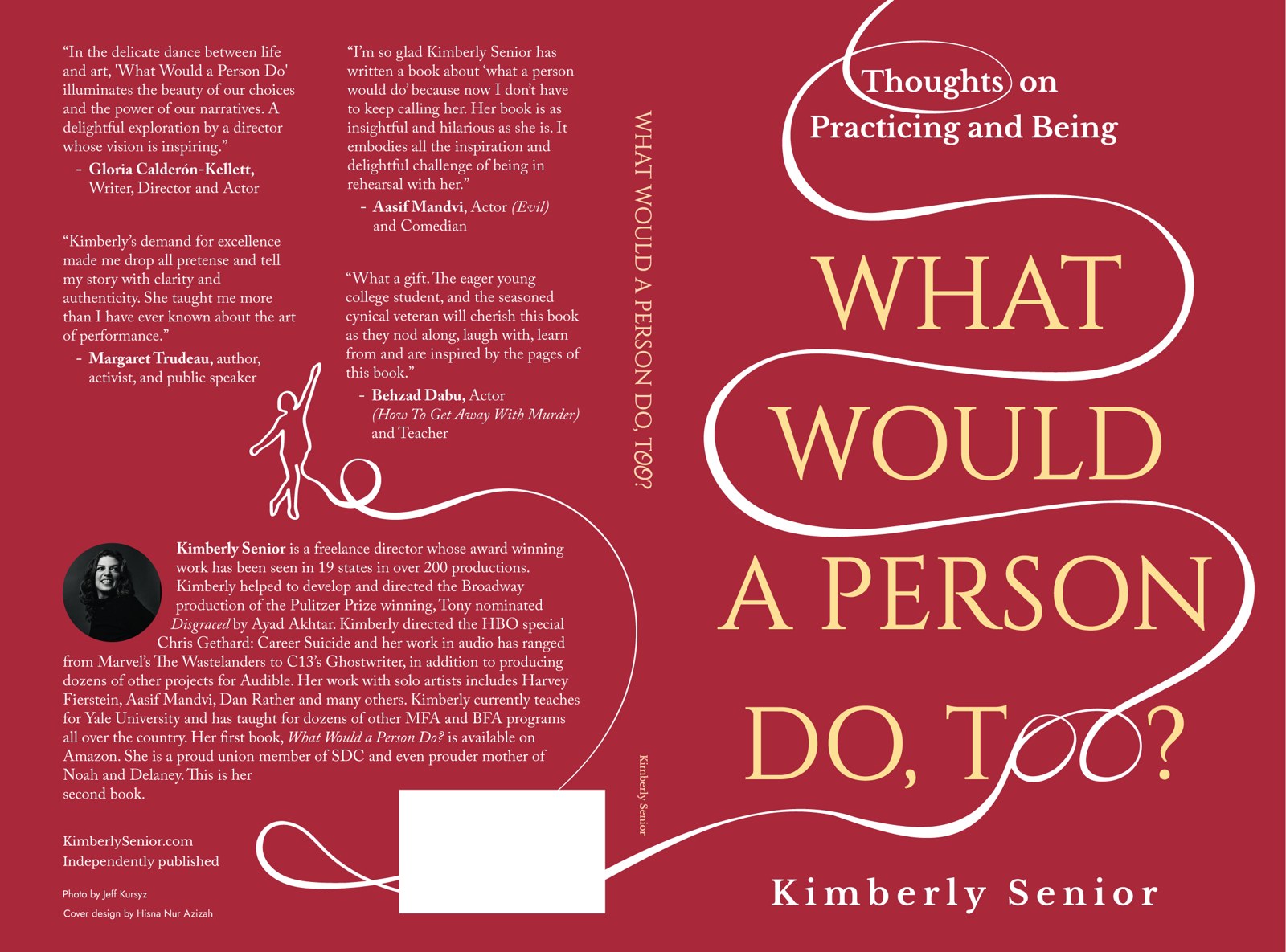
What Would a Person Do, Too? Thoughts on Practicing and Being by award-winning theater director Kimberly Senior is a warm, wickedly honest second collection that once again bridges the gap between life and art. Building on the questions she raised in her first book, Senior turns her director’s eye toward the messier, funnier, more human parts of the work — professional endings and beginnings, the friendships that shape and complicate a freelance life, the confidence it takes to hold your ground, and the grace it takes to let things go unfinished. Funny, unguarded, and hard-won, this is a fresh roadmap for anyone trying to practice their craft and live their life with intention — onstage and off.
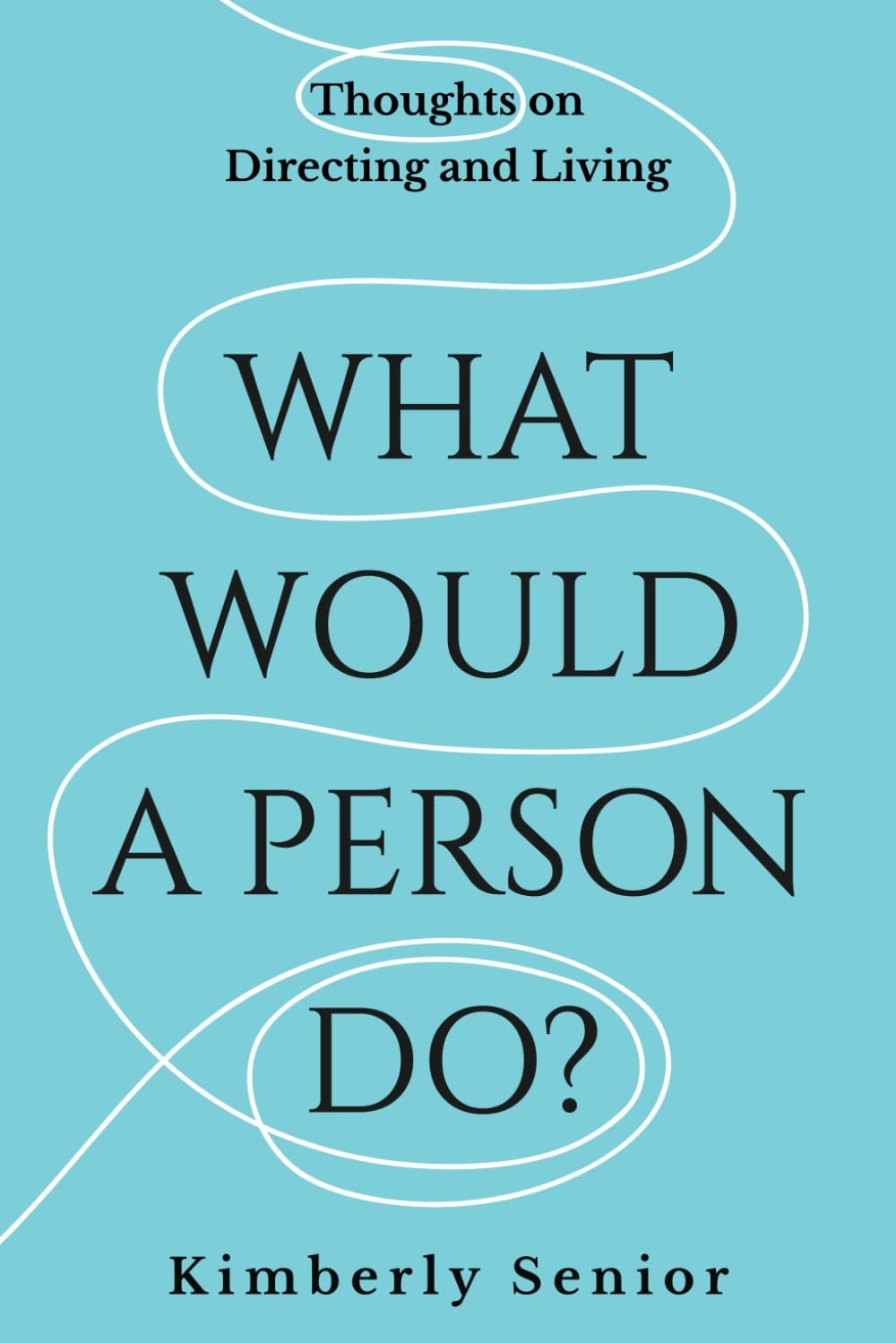
An essay collection on directing, leadership, teaching, and life — drawing on sources from Chekhov to tennis to make the case for a more generous, listening-centered way of leading a room.
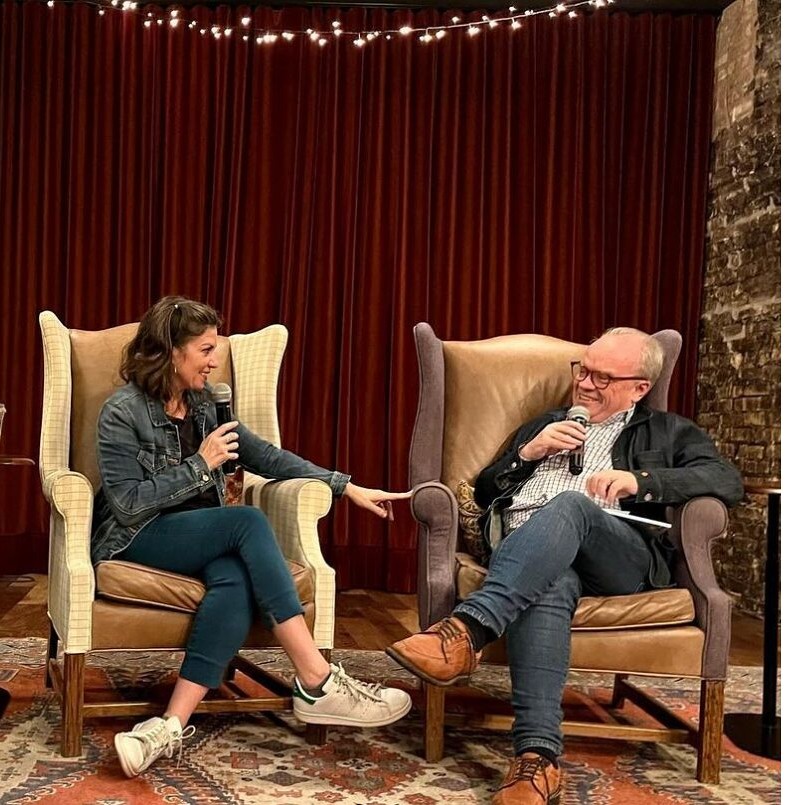
Buy the book →Senior interviews playwright Novid Parsi about his meta-theatrical play, whose full script appears in American Theatre’s Fall 2026 issue — on grief, autobiography and truth, and what it takes for writers of the Middle Eastern diaspora to tell their stories on American stages.
Read on American Theatre →…this is what a play is for: to show us what would happen if we acted it out this way, what would happen if we told the story this way.
Drawing on a recent production of Hundreds and Hundreds of Stars at TimeLine Theatre, Senior lays out a practice of Facilitative Leadership in the rehearsal room — decentering the director's authority and redistributing power, without pretending hierarchy doesn't exist.
Read on HowlRound →Facilitative Leadership in directing is not about the director's disappearance. It's about the director's transformation from auteur to lead collaborator, from commander to cultivator.
Senior's writing has recently turned toward the stage itself. She's a member of the FIFE Cohort at the Bechdel Project, and was named a finalist for the Bechdel Project's ROO Residency for her play The Reinvention of Annie Besant.
The page is another room to lead from — the same listening, the same case for a more generous way of holding authority, just made in print instead of in rehearsal.