Making politics human
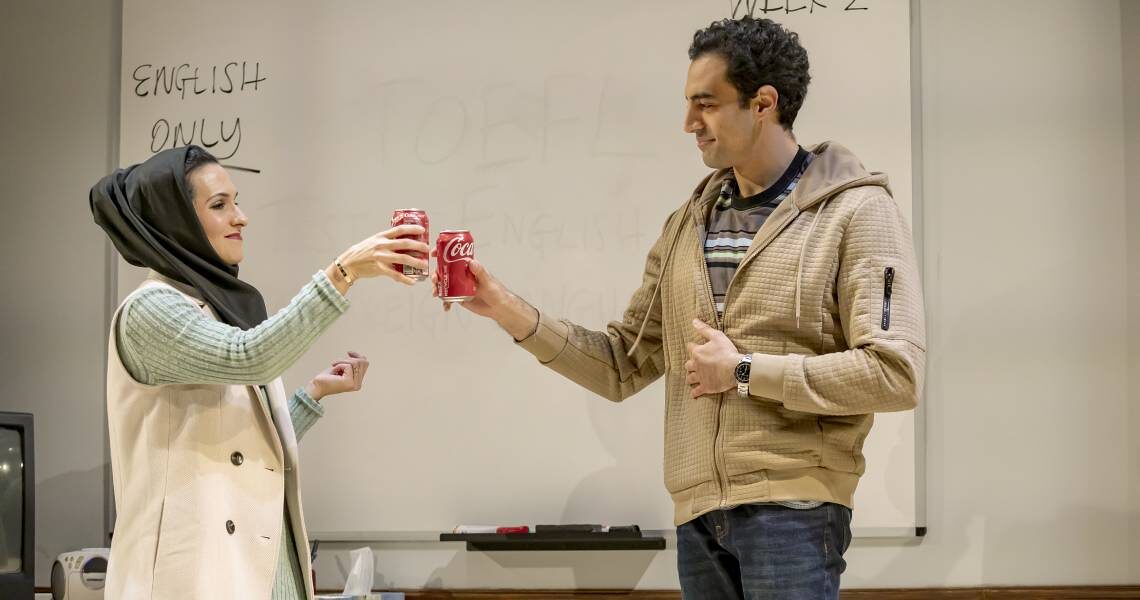
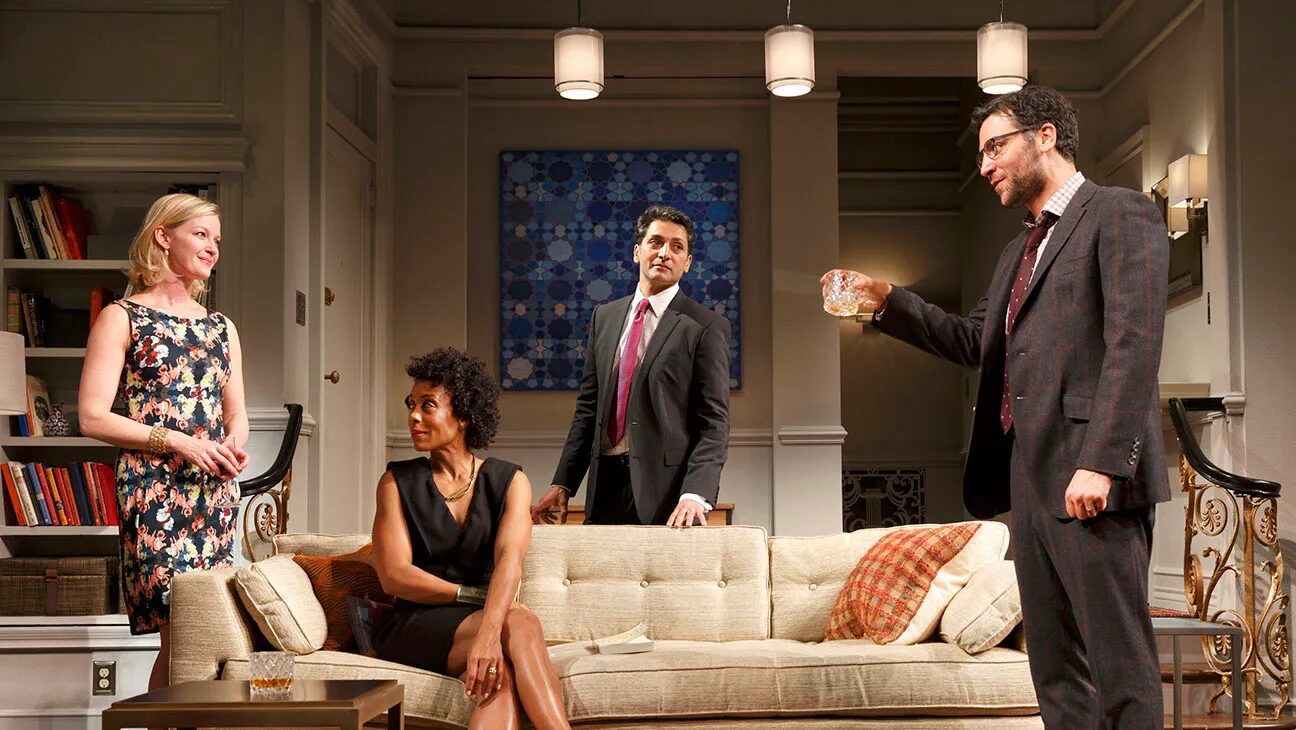
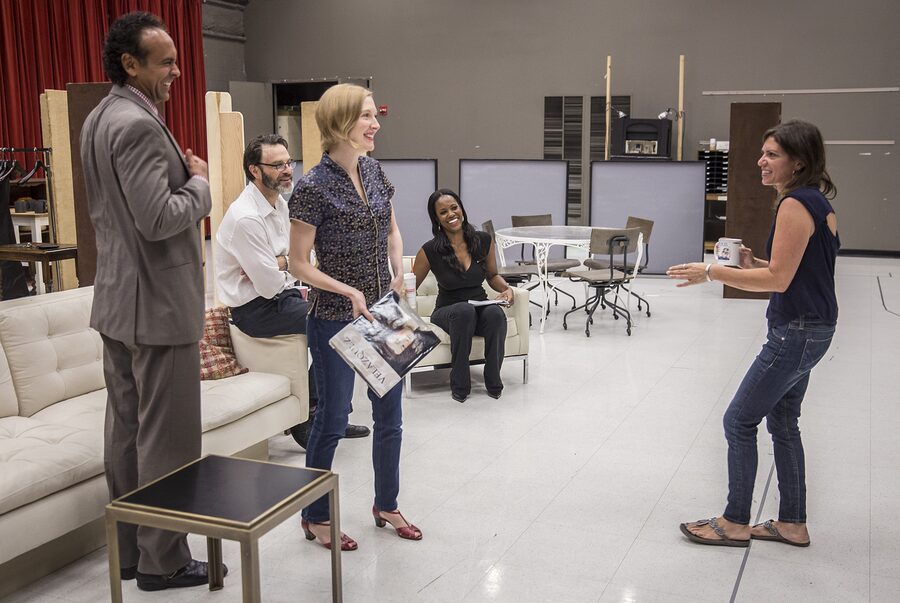
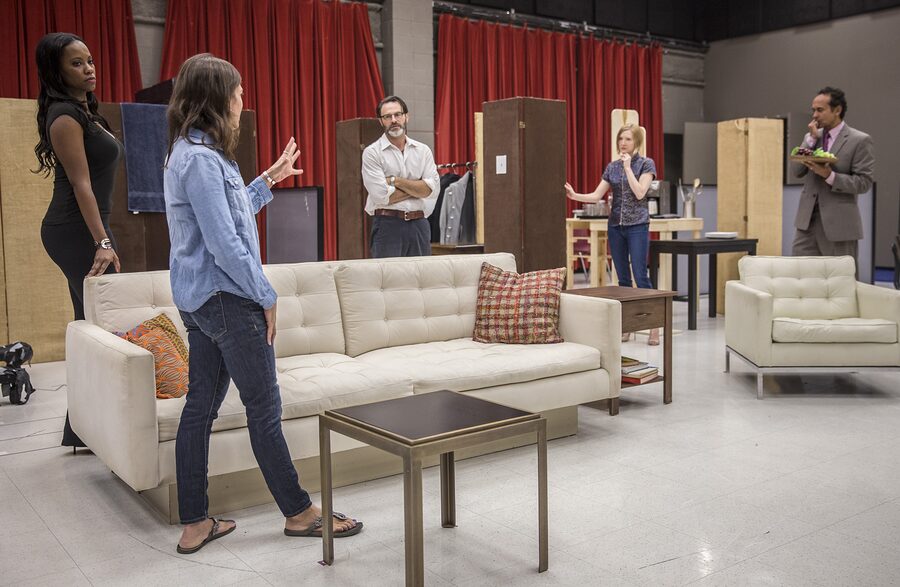
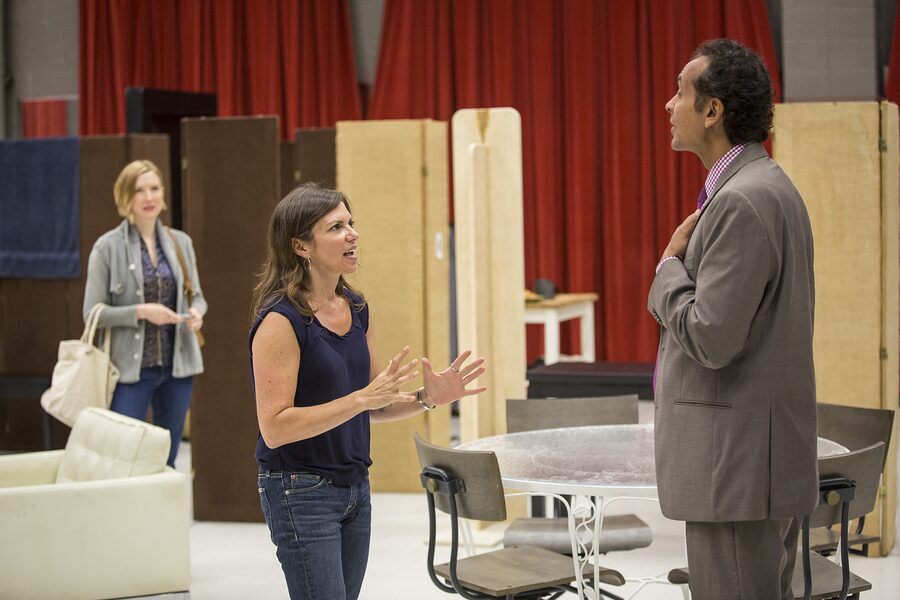
Ayad Akhtar's Disgraced centers on a dinner party that explodes around Islamophobia, assimilation, and whose story gets told about 9/11; Eleanor Burgess's The Niceties puts a Black student and her white professor in an office, arguing about how to tell the story of the American Revolution. “Both plays re-examine white narratives through different lenses. Both refuse easy answers. Both trust audiences to sit with complexity and discomfort … I believe theater can be a place where we embody political questions rather than just debate them.”
Building one-person shows
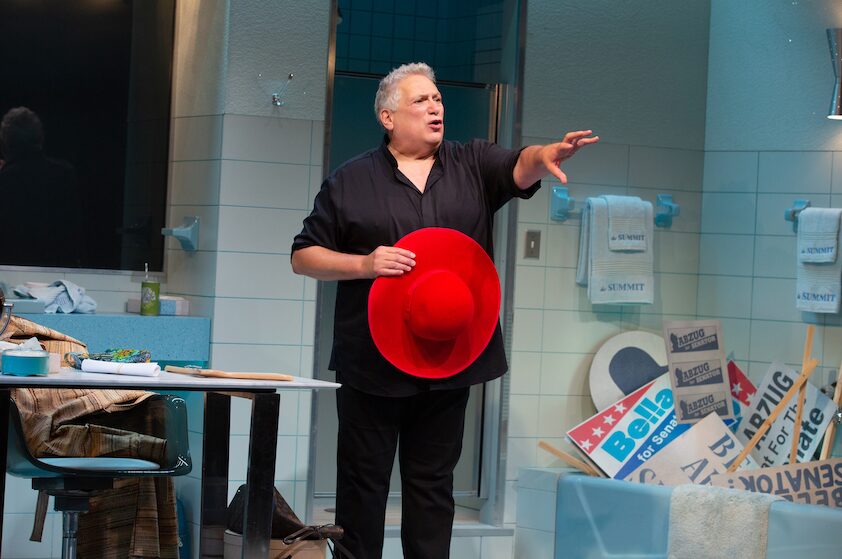
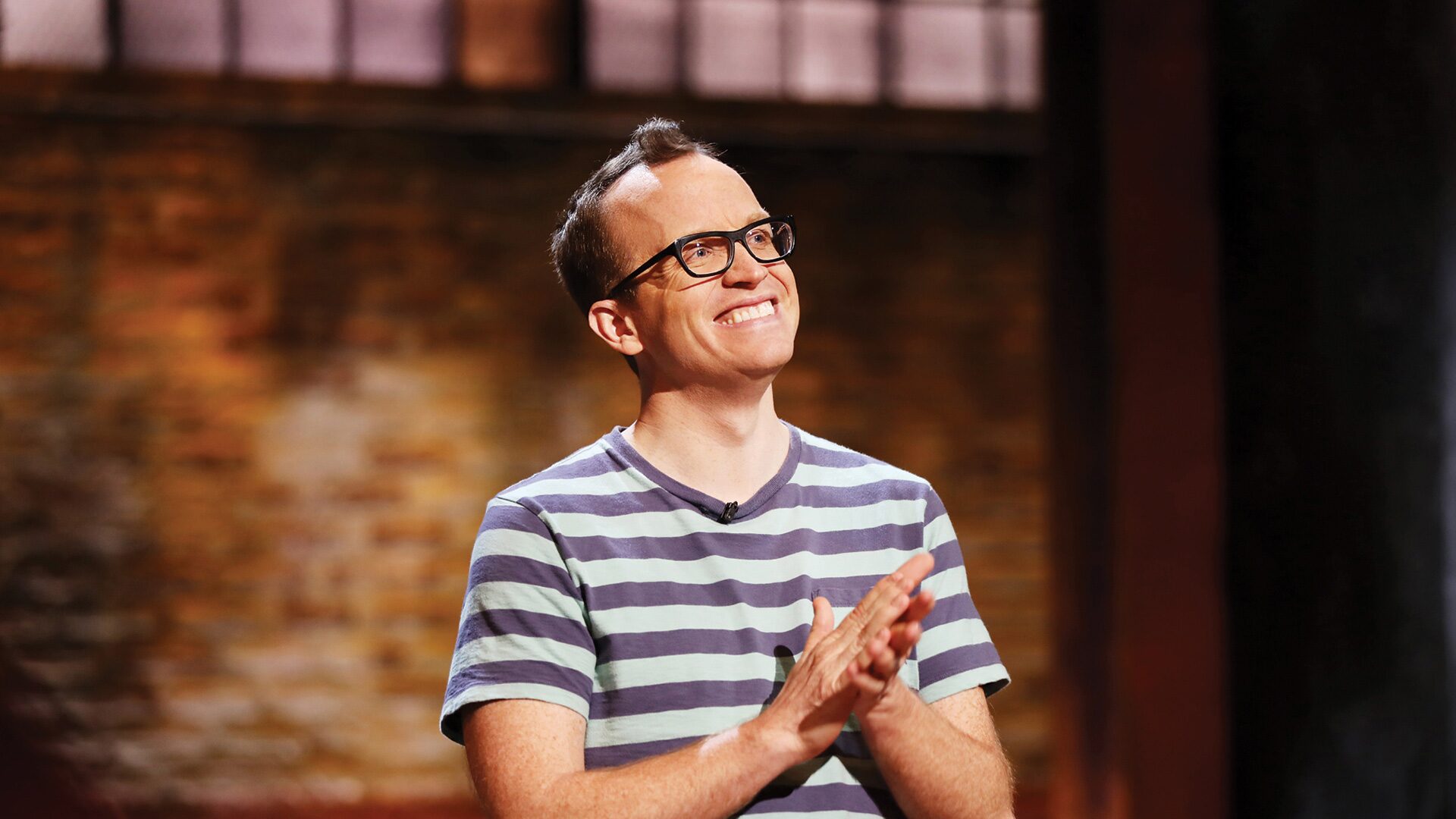
Chris Gethard's Career Suicide was about mental health and suicidal ideation — and hilarious. Aasif Mandvi's Sakina's Restaurant wove his family's immigrant story through food and memory. Harvey Fierstein's Bella Bella required capturing the ferocity and vulnerability of Bella Abzug. “You're not imposing a directorial concept — you're helping someone find the shape of their own story … personal storytelling becomes a political act.”
Creating immersive environments
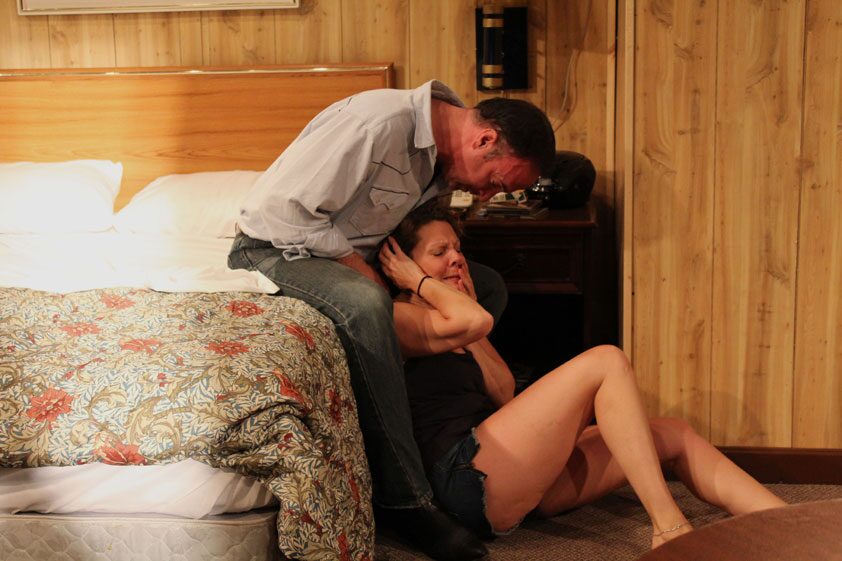
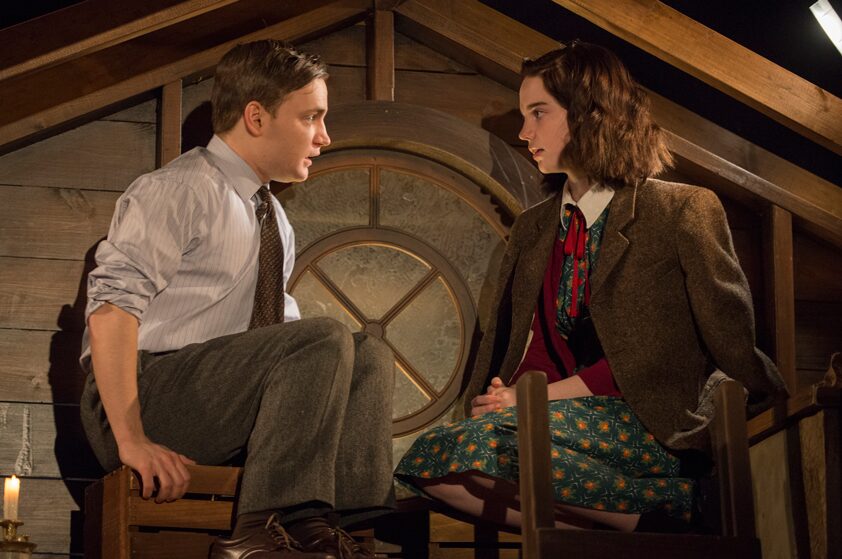
The Pillowman at Redtwist Theatre used intimacy to make the audience feel trapped in the interrogation room. BUG turned the theater into Agnes's motel room. The Diary of Anne Frank at Writers Theatre used the thrust stage to put the audience in the Secret Annex. “Space became dramaturgy. The physical environment wasn't decoration — it was argument … you're not just illustrating the play, you're making the audience live inside its questions.”
Culturally specific family stories
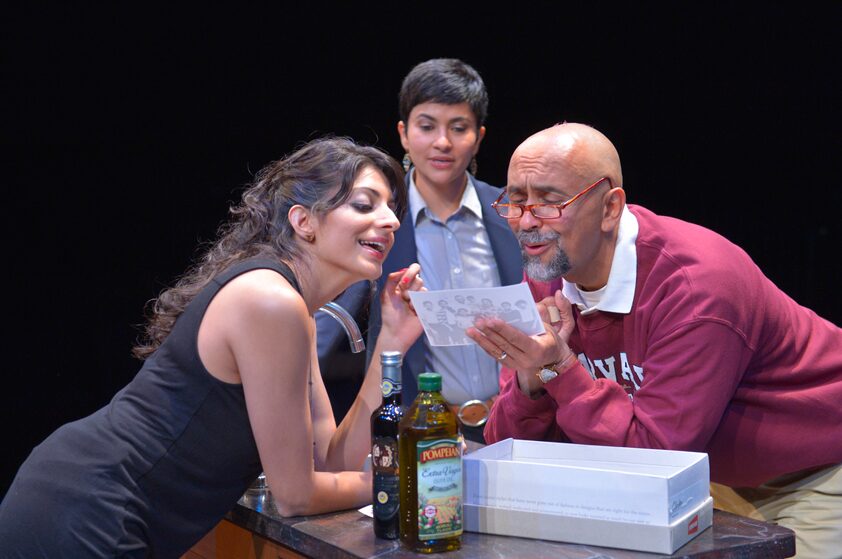
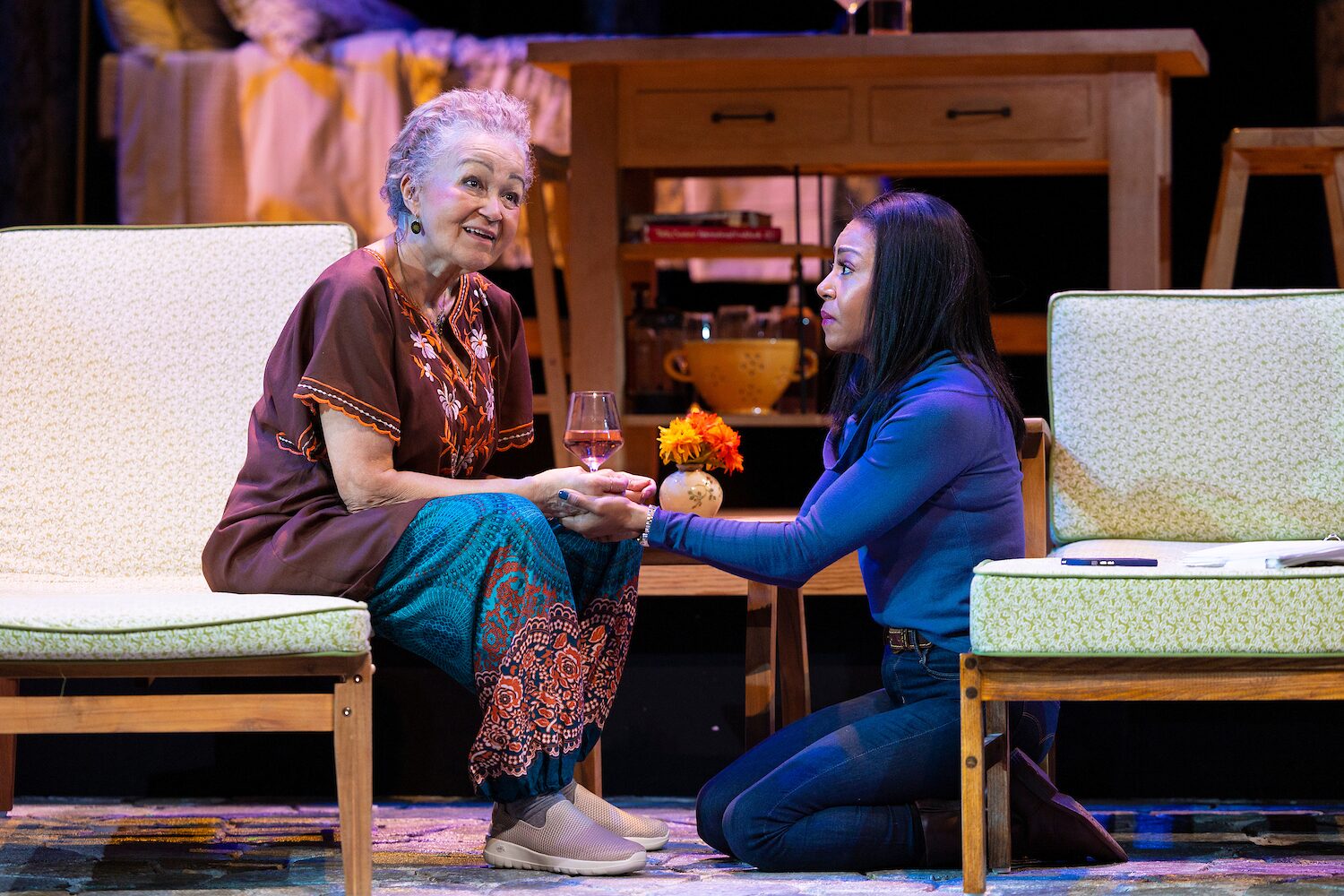
Muslim American families in The Who & The What; Jewish families in Sheltered; Black families in Our Daughters, Like Pillars; Latine families in how to make an American son. “These aren't ‘universal’ family stories stripped of context — they're stories that could only happen to these people, in these communities, with their specific histories … My job is to facilitate that conversation, not to pretend I have all the answers.”